

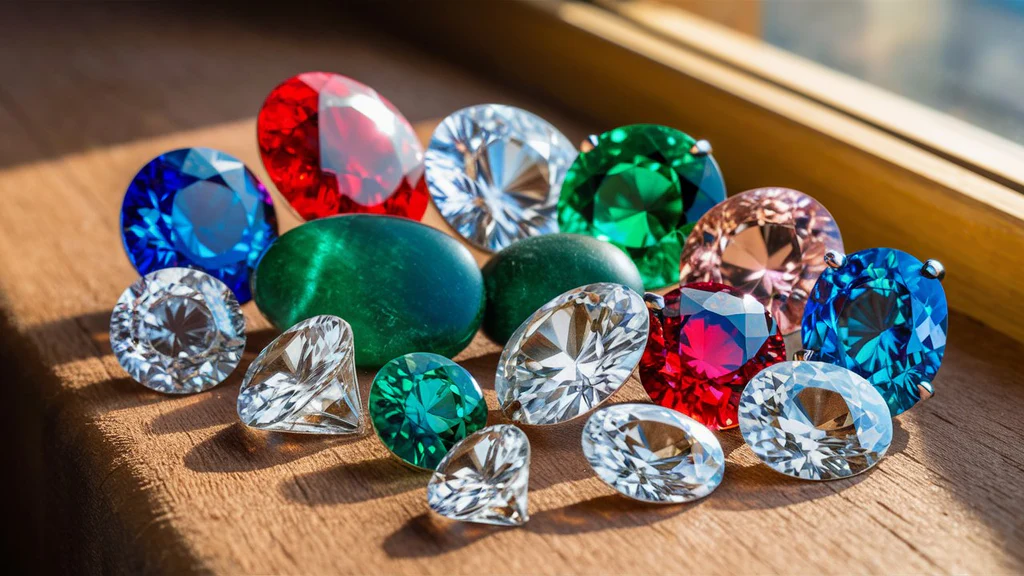
Buying a gemstone can be a daunting task, especially without a background in the gem industry. Unlike standardized commodities like gold, a gem’s value is determined by a complex interplay of intrinsic qualities and market desires. This guide will help you understand the key factors to consider when purchasing three of the most coveted gemstones: Sapphires, Rubies, and Alexandrite.
The Universal First Step: The Gem Lab Report
For any inexperienced buyer, the single most important step is to always request a gemological laboratory report from a reputable institute (e.g., GIA, GIT, AIGS, EGL, GIC). This report is your objective guarantee. It will detail:
- Identification: Confirming the gem is natural.
- Weight: In carats.
- Dimensions: Length, width, and depth.
- Color: Grade and description.
- Clarity: Grade and note of inclusions.
- Cut: Style and quality.
- Treatments: Most crucially, it will indicate if the stone has been heat-treated or subjected to other enhancements.
- Origin: Some reports will specify the geographic origin (e.g., Sri Lanka, Burma), which can significantly impact value.
A report protects you from synthetics and undisclosed treatments, providing peace of mind for your significant investment.
1. Sapphire Buying Guide
Sapphires are a variety of the mineral corundum (Al₂O₃) and are the second hardest natural gemstone after diamond, making them excellent for daily wear.
Key Value Factors: The 4 Cs + Origin
- Color: This is the most important factor.
- Blue Sapphires: The most prized shades are Royal Blue, Peacock Blue, and Cornflower Blue. These are vivid, saturated blues without being too dark (“inky”) or too light (“steely”).
- Padparadscha: This is the rarest and most valuable sapphire color, a unique blend of pink and orange reminiscent of a lotus blossom or a tropical sunset. Authentic Padparadscha from Sri Lanka can command prices over $30,000 per carat. Be wary of certificates that label predominantly pink stones as Padparadscha.
- Fancy Sapphires: Yellow, pink, purple, and green sapphires are beautiful but their value is less standardized and more subject to personal taste and market trends.
- Clarity: Sapphires are a Type II gemstone, meaning they commonly have visible inclusions. Ideally, look for an eye-clean stone—one with no inclusions visible to the naked eye. Inclusions have a more negative impact on the value of light-colored stones (yellow, pink) than on darker blue stones.
- Cut: A well-executed cut maximizes the stone’s color, brilliance, and overall beauty. It should be symmetrical and polished to a high luster. A poor cut can make even a high-quality rough stone look dull.
- Carat Weight: Large sapphires are rare. The price per carat increases significantly for stones over 2 carats, especially if they combine excellent color, clarity, and cut.
- Treatments: Heat treatment is common and accepted to improve color and clarity. However, unheated stones are considerably more valuable. Your lab report will state any treatments.
- Special Case – Star Sapphires: For these stones, the clarity of the body is less important. Value is determined by the sharpness, contrast, and centering of the star (asterism).
2. Ruby Buying Guide
Ruby, or Ratna Raja (King of Gems), is the red variety of corundum. Its intense color and rarity make it the most valuable colored gemstone per carat.
Key Value Factors:
- Color: This is paramount. The most coveted color is Pigeon’s Blood—a pure, vibrant red with a slight bluish hue. Origin plays a role here; Burmese Pigeon’s Blood rubies command the highest prices. The vivid red color is associated with passion, power, and energy.
- Clarity: Rubies are almost always included. It is exceptionally rare to find a ruby without tiny imperfections. Therefore, an eye-clean ruby is extremely valuable and will command a massive premium over a similar-sized stone with visible inclusions.
- Treatments: Rubies are frequently heat-treated to enhance their color. Unheated, natural rubies are vastly more valuable and rare. Be aware that Asian markets are particularly sensitive to treatments, while Western markets may prioritize color and clarity slightly more.
- Carat Weight: Clean, high-quality rubies over 2 carats are exceptionally rare. The price per carat does not increase linearly; it can double or triple with every carat over this size. A fine-quality 10-carat ruby can be worth millions per carat.
3. Alexandrite Buying Guide
Alexandrite is one of the rarest and most sought-after gemstones due to its mesmerizing color-change phenomenon.
Key Value Factor: The Color Change
- The Phenomenon: The ideal alexandrite appears emerald green to peacock blue in daylight (or fluorescent light) and changes to ruby red to amethyst purple under incandescent light (like a lamp).
- Evaluating the Change: The value is directly tied to the strength and completeness of this color change.
- 100% Change: Virtually unheard of; some part of the stone usually remains unchanged.
- 80-95% Change: Indicates a high-quality, valuable stone.
- <70% Change: More common; the change may be weak or muddy.
- Lighting Matters: Always view alexandrite under two different light sources: daylight (5500-6500K) and incandescent light (3000-3300K) to truly judge its change.
- Clarity & Cut: Alexandrites are rarely eye-clean. Buyers must often compromise on clarity to get a strong color change. The cut is often designed to maximize carat weight due to the stone’s rarity, so well-proportioned cuts are a bonus.
- Carat Weight: Natural alexandrites over 1 carat are rare. Stones over 5 carats with a good color change are considered masterpieces and are priced accordingly.
Final Advice: Budget and Priorities
Before you buy, decide what is most important to you within your budget:
- Size: A larger stone with some inclusions or treatment?
- Quality: A smaller, but exceptional, unheated, eye-clean stone?
- Color: The perfect hue, even if it means a compromise on clarity?
There is no single “right” answer. The best gemstone is the one that you find beautiful, that comes with the security of a lab report, and that fits your personal preferences and budget. Always buy from a reputable dealer who is transparent about all aspects of the stone.