

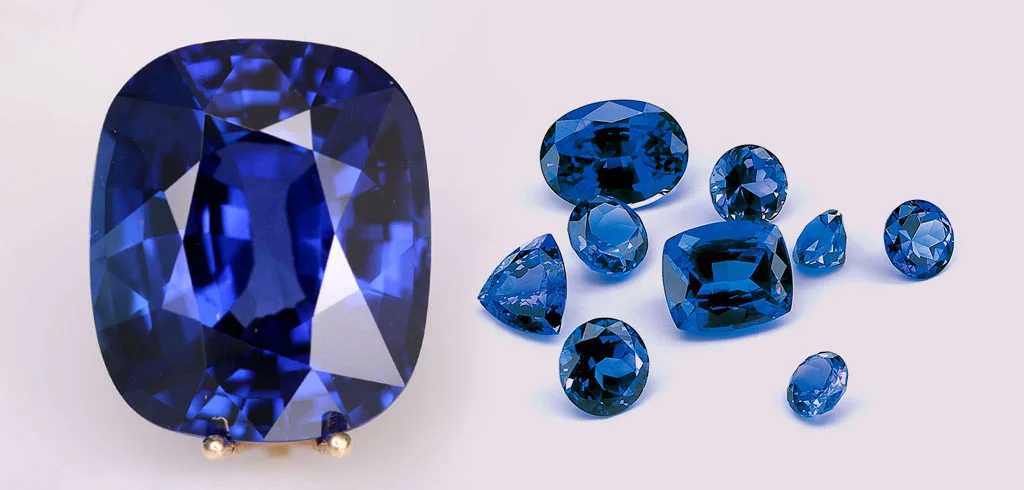
While blue sapphires are mined in countries across the globe—from Madagascar and Australia to Thailand and Tanzania—Sri Lanka holds a singular, legendary reputation for producing the world’s most exceptional quality vivid blue gems. For centuries, the name “Ceylon” has been synonymous with sapphires of unparalleled color, purity, and brilliance, a standard that other origins consistently fail to replicate.
A Legacy of Giants and Unmatched Quality
Sri Lanka’s dominance is not just about quality, but also about monumental size. The island is the birthplace of the three largest blue sapphires ever discovered:
- The Star of Adam: The current record-holder, certified by the Gemology Institute of Sri Lanka, is a breathtaking 1404.49-carat blue star sapphire, valued at over $100 million.
- The Giant of the Orient: A legendary 466-carat sapphire found in 1902.
- The Logan Blue Sapphire: An impeccable 423-carat stone renowned for its stunning clarity and color.
What sets Ceylon sapphires apart is their naturally forming vivid cornflower blue hue, exceptional transparency, and high purity. This unique combination is a direct result of the island’s unique geology, giving it the highest density of gemstones relative to its land mass of any country in the world.
The Science of the Perfect Blue
All sapphires are corundum, with a hardness of 9 on the Mohs scale and a specific gravity of 4. Pure corundum is actually colorless. The iconic blue of a sapphire is born from a fascinating scientific process called intervalence charge transfer.
When trace elements of Titanium (Ti⁴⁺) and Iron (Fe²⁺) are present in adjacent sites within the crystal lattice, an electron transfers between them. This process absorbs yellow light and allows blue light to be transmitted, creating the gem’s deep, vivid blue color. The key to Ceylon’s superiority lies in its low iron content.
- High Iron (e.g., Australian sapphires): Results in very dark, inky blue shades that can mask the stone’s beauty and lower clarity.
- Low Iron (Ceylon sapphires): Produces brighter, more translucent, and magnificently vibrant colors. This low iron content also causes many Ceylon sapphires to exhibit fluorescence under ultraviolet light, a characteristic that often serves as a fingerprint for their Sri Lankan origin.
A Shared Geological History
The remarkable similarity between some Sri Lankan and Madagascan sapphires puzzles even expert gemologists at renowned laboratories like GRS and GIA. The explanation lies deep in Earth’s history: over 900 million years ago, Sri Lanka, India, and Madagascar were part of the same supercontinent, Rodinia. As these landmasses drifted apart, they shared similar geological conditions and trace elements, making origin determination a complex scientific challenge.
Color, Cut, and Value
Ceylon blue sapphires are categorized by their color temperature, with certain shades commanding premium prices:
- Most Sought-After: Cornflower, Peacock, Royal, and Velvet blue are the most cherished and valuable colors, exported to discerning markets in the USA, Europe, and Asia.
- Secondary Preferences: Navy Blue, Indigo, and Twilight shades are also popular based on individual collector tastes.
To best retain carat weight and maximize color, blue sapphires are typically cut into cushion, oval, round, and emerald shapes. Other popular fancy cuts include pear, heart, and marquise.
Understanding Price and Value
The price of a blue sapphire is determined by a combination of factors: Origin, Color, Size, Cut, Transparency, Purity, and Treatment.
Ceylon sapphires, cherished by royalty and elite collectors—most famously in Princess Diana’s engagement ring—sit at the top of the market. Unheated stones with excellent color and clarity are the rarest and most sought-after.
- Small, treated stones (1 ct): ~$200 – $600 per carat
- Fine quality, treated (2 ct): ~$1,500 – $2,500 per carat
- Masterpiece, unheated (5+ ct): $10,000 – $135,000+ per carat for exceptional, pure blue gems.
In the world of precious gems, the Ceylon Blue Sapphire remains the undisputed champion, a perfect confluence of geological fortune, scientific wonder, and timeless beauty that continues to captivate the world.
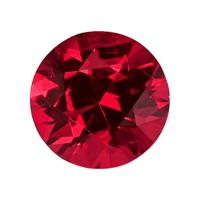 Mozambique Ruby - 2.03
 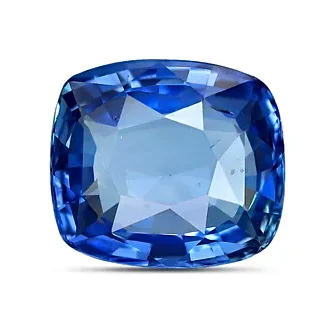 Blue Sapphire Madagascar - 3.03 Cts
 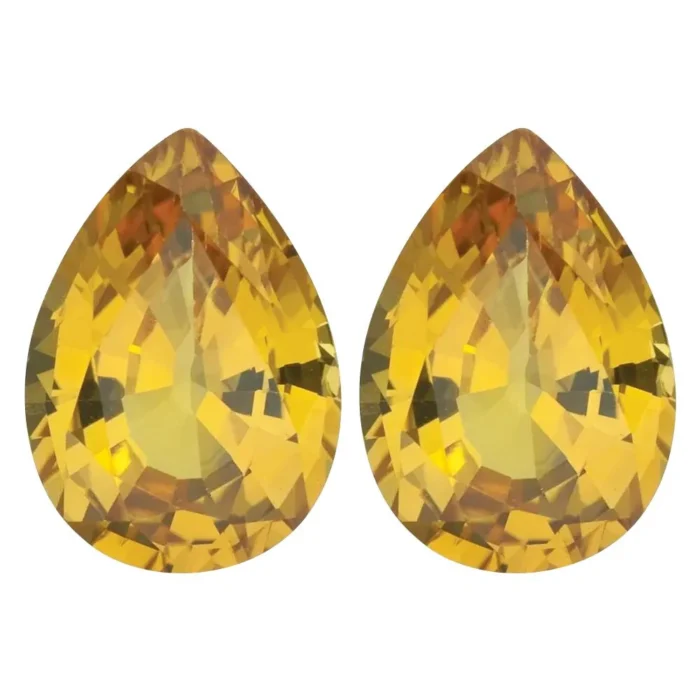 Yellow Sapphire Pair - 2.10 Cts
 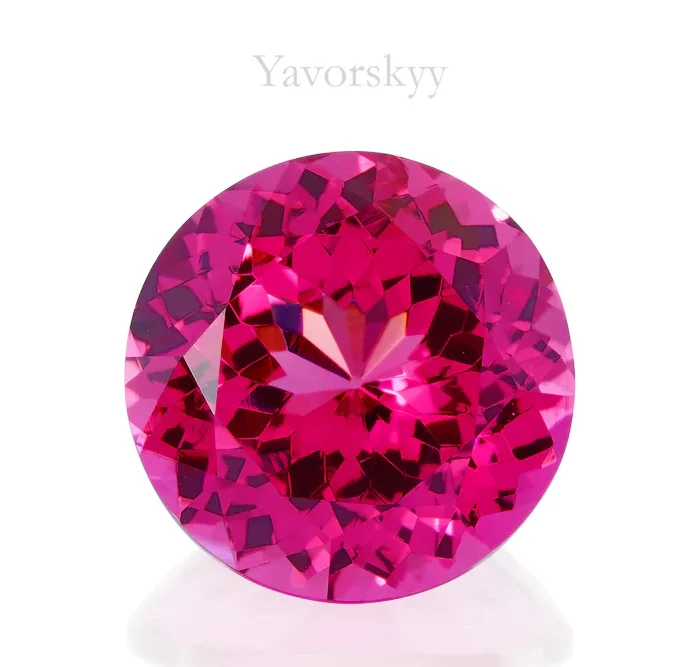 Spinel Mahenge - 3.64 Cts