

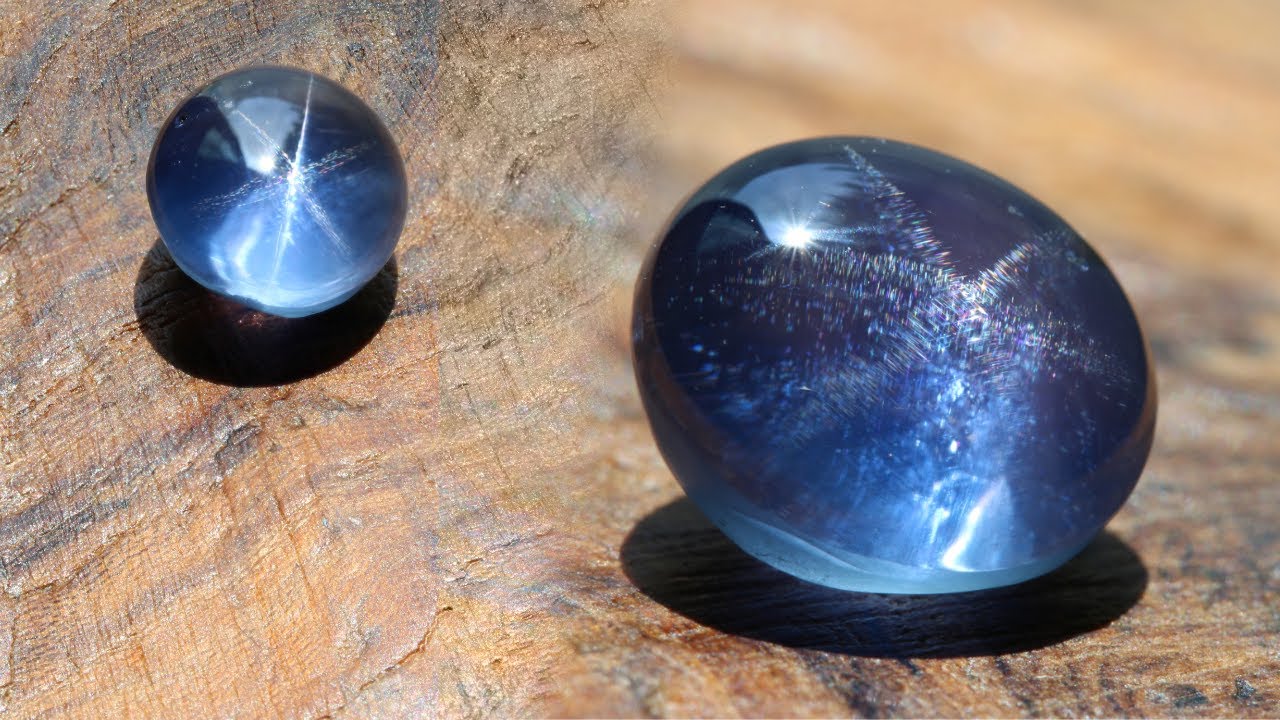
Star sapphires are among the most mesmerizing and unique gemstones in the world, captivating admirers with a distinct, shining star that glides across their surface. This magical optical phenomenon transforms a beautiful gem into a celestial marvel, making each stone a one-of-a-kind treasure.
The Art of the Cabochon
Unlike faceted gems, star sapphires are always polished into a smooth, high-domed cabochon shape. This style is not merely aesthetic; it is essential. The domed surface is the only way to properly reveal and display the star’s rays. Cutting a star sapphire is a specialized art form, with very few master cutters possessing the necessary skill. Miners and buyers entrust these rare stones only to highly experienced artisans who can expertly balance the three critical factors: maximizing carat weight, centering the star perfectly, and optimizing the body color.
The Science of Asterism
The star effect is caused by a phenomenon called Asterism. When viewed under a single, direct overhead light source (like the sun or a lamp), the stone reveals a sharp, six-rayed star pattern.
This effect is created by countless microscopic inclusions of rutile needles, often referred to as “silk.” These inclusions intersect within the gemstone at specific angles and reflect the light in a star-like pattern. Unlike transparent sapphires, star sapphires are typically semi-translucent to opaque, as the silk is the very source of their magic. A captivating feature of the star is that it moves fluidly across the dome as the stone or the light source is turned.
Why Six Rays? A Question of Crystal Structure
The consistent six-rayed star is not a coincidence but a direct result of the sapphire’s natural crystal structure. Corundum crystals form in a hexagonal (six-sided) system. The rutile needles grow internally along the three crystal axes parallel to these six sides. This precise geometric arrangement causes the light to reflect in six distinct rays, creating the perfect star.
Evaluating Value: The Star is the Guide
When selecting a star sapphire, understanding what drives its value is key:
- The Star Itself: The most critical factor is the quality of the star. A sharp, well-defined, and perfectly centered star is exceptionally rare and significantly increases the stone’s value. The rays should be straight and extend clearly from the top center to the base of the stone.
- Body Color and Clarity: The color and transparency of the gemstone itself greatly influence price. A transparent body with a deep, desirable color (like blue) is extremely rare. The most valuable stones combine a vibrant color with a sharp, contrasting star.
- Size: As with all gems, larger sizes command higher prices, especially when combined with fine quality.
The finest specimens—those with a deep blue transparent body and a sharp, vibrant star—are incredibly rare and can fetch tens of thousands of dollars.
Legendary Stars from Sri Lanka
Sri Lanka, the premium source for blue sapphires, has also produced the world’s most famous and largest star sapphires, cementing its legacy as a gemological paradise.
- The Star of India: This legendary 563-carat grayish-blue star sapphire is an absolute masterpiece and one of the largest of its kind. Originally found in Sri Lanka, it was donated by financier J.P. Morgan to the American Museum of Natural History in New York, where it remains a centerpiece of the collection.
- The Star of Lanka: Weighing an impressive 193 carats, this grayish-blue star was discovered in Sri Lanka in the 20th century. It was acquired by the Royal Ontario Museum in 1958, where it is proudly displayed.
These legendary stones are a testament to Sri Lanka’s unparalleled ability to produce the world’s most extraordinary and captivating gemstones.
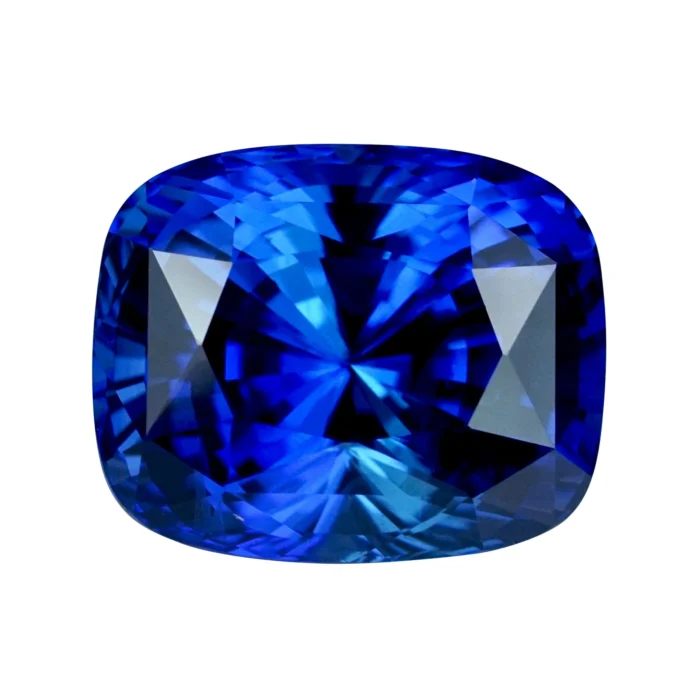 Blue Sapphire Unheated - 8.12
 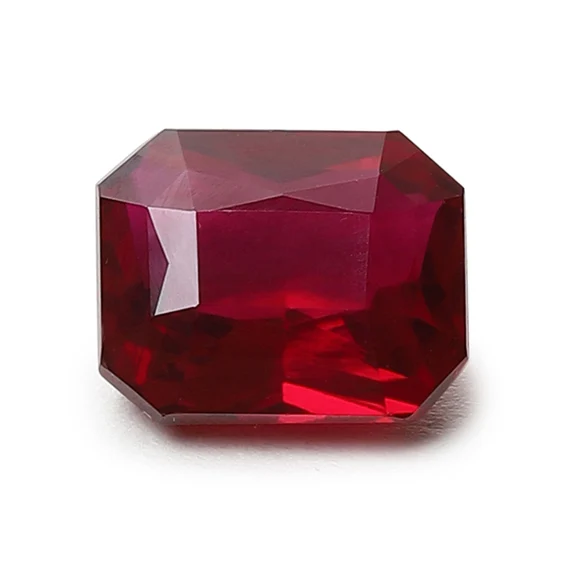 Ruby Mozambique - 3.03
 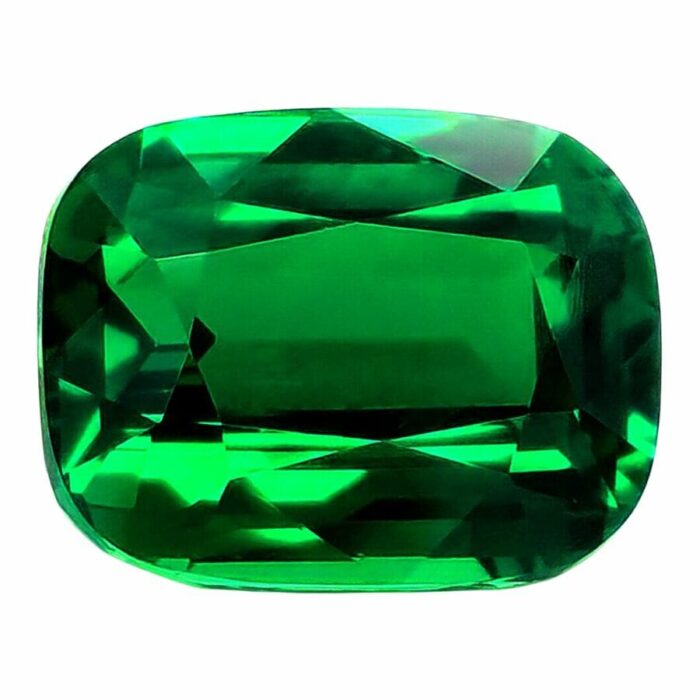 Tsavorite Kenya - 4.04