

For thousands of years, gemstones have captivated humanity. Their unmatched beauty, rarity, and endurance have placed them in the crowns of kings and the jewels of commoners, driving trade, inspiring art, and even sparking conflict. But these magnificent minerals are more than just pretty objects; they are the ancient, dramatic story of our planet itself, written in crystal.
The Ancient Earth: A Crucible for Creation
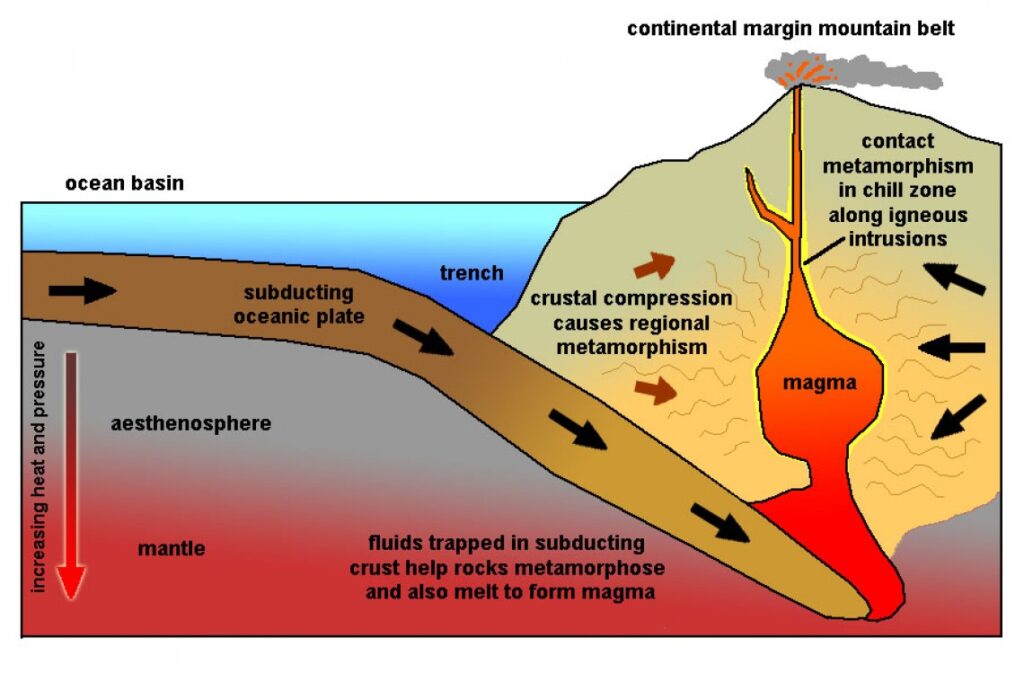
The Earth, at 4.54 billion years old, has undergone constant, violent transformation. The gemstones we cherish today are the direct result of these primordial processes—of continents colliding, molten rock cooling, and immense pressure and heat acting over millions of years.
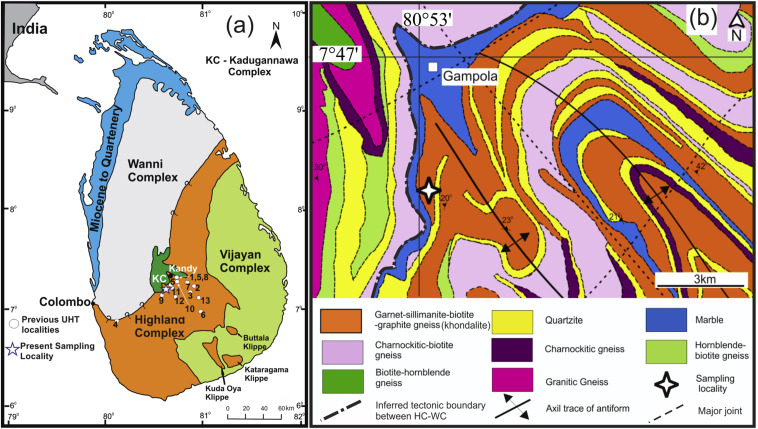
Sri Lanka’s role as a gemological paradise is written in its very bedrock. A staggering 90% of the island’s land mass is composed of high-grade Precambrian metamorphic rock, dating back an incredible 2000 to 3000 million years. This makes Sri Lanka’s geological foundation among the oldest and most stable on Earth, forming a perfect cradle for gem formation.
A Journey from Gondwana: The Tectonic Origins
Sri Lanka’s story begins in the supercontinent of Gondwana. It was originally fused with what is now India, Antarctica, and Australia. Approximately 200 million years ago, immense magmatic heat began to break this supercontinent apart.
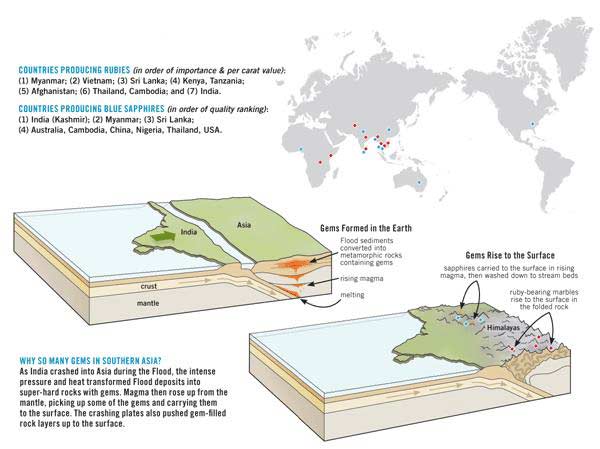
The Indian plate, with Sri Lanka attached, broke free and drifted northward. This tectonic journey was crucial. The immense pressures and temperatures generated during this continental collision and separation created the perfect metamorphic environment necessary to recrystallize minerals into the gems we find today. This ancient geological history is the primary reason why this small island shines as the “Jewel Box of the Indian Ocean.”
The Birth of Corundum: Sapphires and Rubies
The most famous of Sri Lanka’s treasures, corundum (Aluminum Oxide, Al₂O₃), is the second hardest natural mineral after diamond. It forms deep within the Earth under extreme volcanic heat and pressure.
- The Process: The purest forms of corundum are created through the recrystallization of minerals during the metamorphosis of igneous rocks. This is an incredibly slow process, taking millions of years. Weathering over eons then exposes these rare crystals in rock outcrops.
- The Color Palette: In its pure form, corundum is colorless. Its spectacular range of colors comes from tiny traces of transition metal impurities that seep into the crystal lattice during its formation.
- Blue Sapphire: Formed by traces of Titanium and Iron.
- Ruby: The rarest form, created by the presence of Chromium, yielding a deep red color.
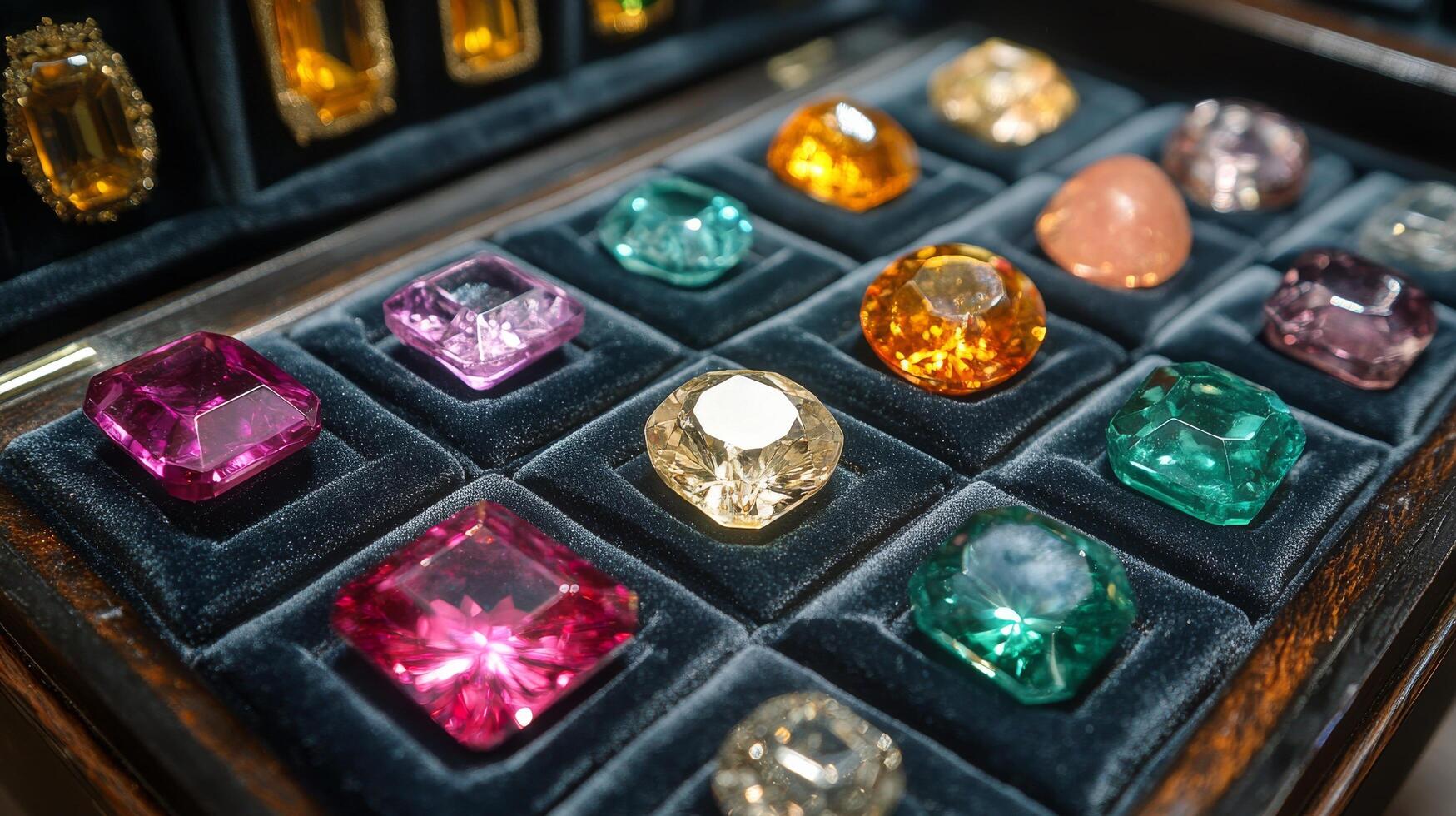
- Fancy Sapphires: Elements like iron alone can create golden yellows and pads, while other combinations produce pink, violet, green, and purple stones.
Why Sri Lankan Gems Are Exceptional
The combination of Sri Lanka’s ancient metamorphic basement rocks and its specific geological history created an environment with the right ingredients: the necessary parent rocks, the right mineral fluids, and, most importantly, the time and stable conditions for these elements to slowly crystallize into large, high-quality gems with excellent clarity and color.
For comparison, gold is a rare element. But a gemstone is infinitely rarer—it is a specific combination of elements, subjected to the exact right amount of pressure and heat, for the exact right amount of time (millions of years), with the exact right impurities seeping in at the perfect moment. This perfect storm of geological fortune is what makes fine gemstones among the rarest and most valuable materials on Earth, and why Sri Lanka’s bounty is so extraordinary.